In today's environmentally conscious global market, executing sustainable supply chain choices has become mandatory. One simple yet impactful change enterprises make is shifting their retail bag infrastructure from synthetic plastics to natural jute fibers. Here is the operational breakdown of why jute is the undeniable future of B2B packaging.
1. 100% Biodegradable Integrity
Unlike plastic variants that take hundreds of years to decompose and contaminate water tables with micro-plastics, jute bags are 100% biodegradable. Woven from raw plant fibers, they degrade naturally within months in compost matrices, leaving zero toxic residue.
2. Industrial-Grade Durability
Raw jute is one of the highest tensile strength natural fibers grown globally. A structurally woven jute bag can easily bear 15-20kg loads and survive years of aggressive retail utilization, drastically outperforming disposable poly-bags.
3. Extensive Structural Versatility
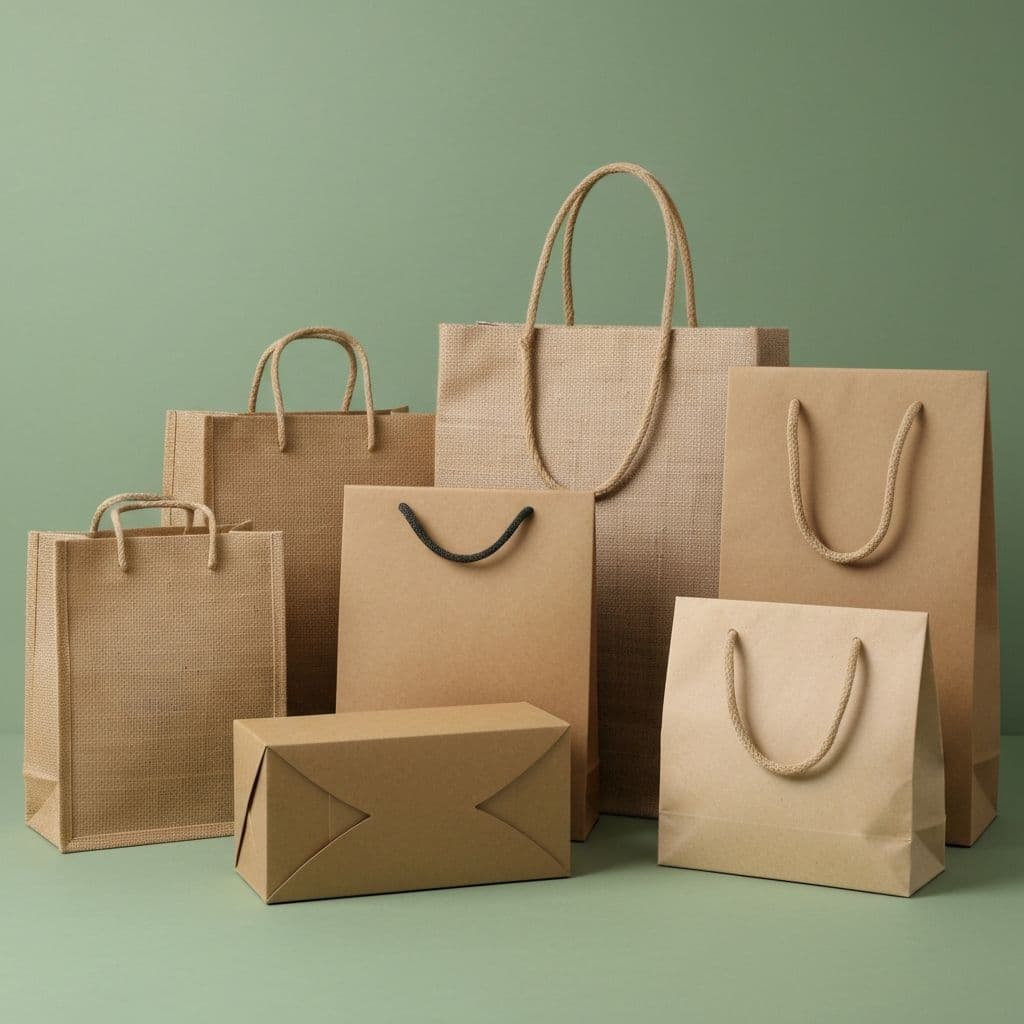
Wholesale jute bags can be manufactured in thousands of dimensional variations. From massive unlaminated agricultural sacks to highly structured, LDPE-lined luxury retail totes, the textile is incredibly malleable for any corporate specification.
4. Extreme Cost-Efficiency at Scale
While the initial unit cost of a structured jute bag exceeds a thin poly-bag, the long-term marketing ROI is exponential. Because consumers reuse premium jute bags hundreds of times, the effective Cost-Per-Impression (CPI) drops to fractions of a cent.
5. The Ultimate Branding Canvas
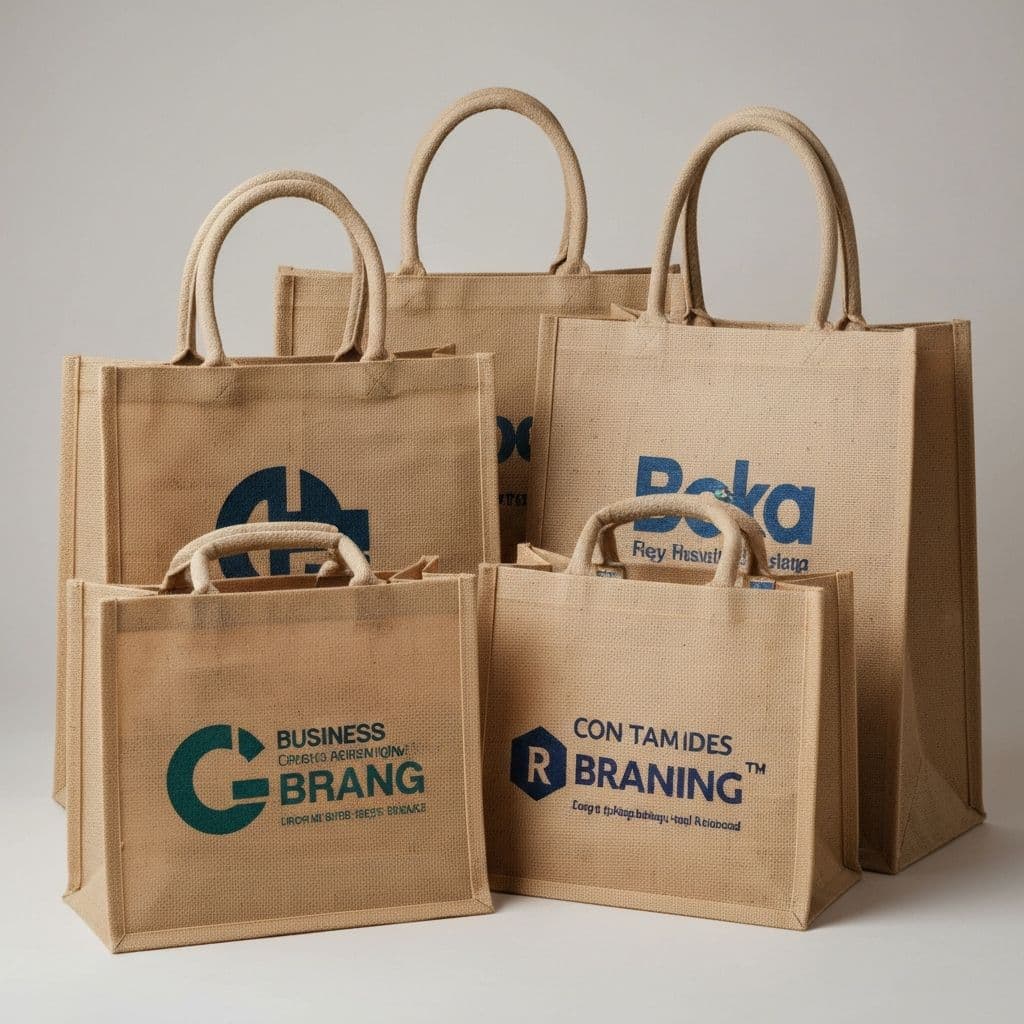
For B2B enterprises, a sturdy, reusable tote acts as a mobile billboard. High-density jute weaves readily accept precision silk-screen printing, allowing corporate logos, deep ESG statements, and complex color matrices to be displayed proudly for years.
6. Stimulating Greenfield Economies
The global jute manufacturing pipeline provides direct, sustainable employment to millions of workers across the Bengal Delta (India & Bangladesh). Scaling your procurement directly stimulates these traditional, agrarian economies.
7. Natural Resistance Matrices
Inherent UV resistance means jute textiles do not functionally degrade under persistent sunlight like many synthetic polymers. This makes them ideal for long-term agricultural storage and outdoor retail implementation.
8. Complete Textile Breathability
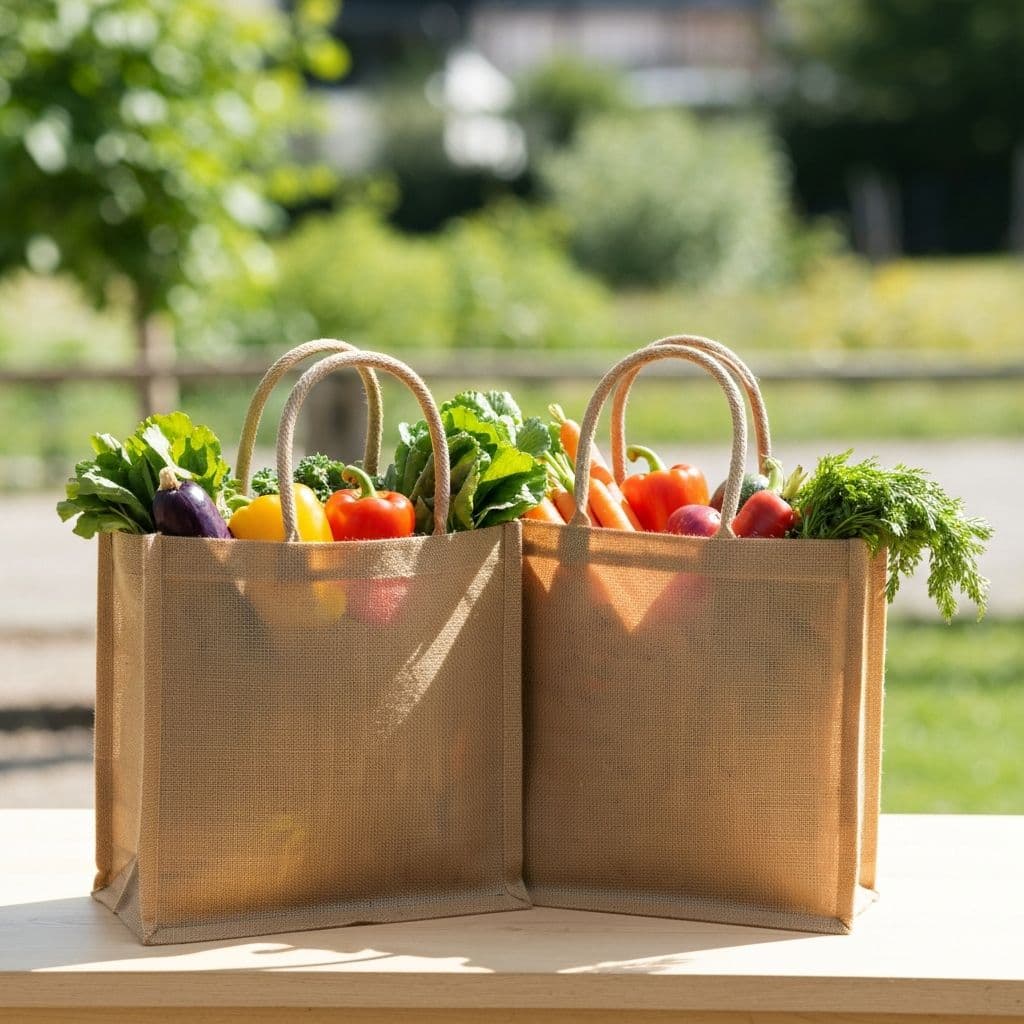
The porous natural weave of raw jute allows absolute air circulation. This is a critical factor for agricultural and grocery sectors that require zero-humidity zones to prevent rot and transport temperature-sensitive produce.
9. Negative Carbon Footprint
Jute cultivation acts as an aggressive carbon sink. One hectare of jute plants consumes roughly 15 tons of CO2 and releases 11 tons of oxygen entirely within a 120-day growth cycle—providing a massive offset for corporate ESG ledgers.
10. Premium Luxury Resurgence
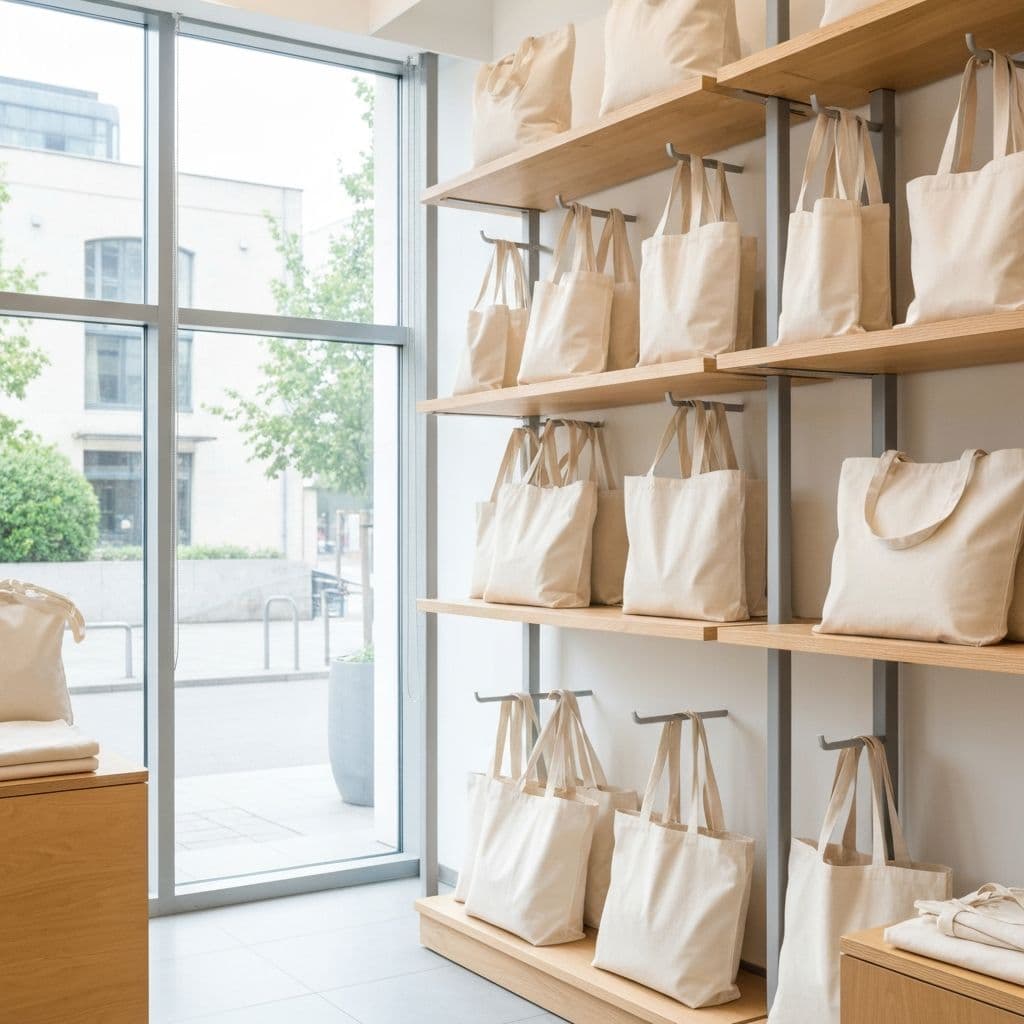
Beyond functional utility, raw textures have re-entered the luxury market. High-street brands are pivoting to canvas and jute combinations to signal authenticity, organic values, and premium simplicity to modern consumers.
Conclusion
Migrating your enterprise to jute packaging is a structurally sound, highly profitable method of destroying your corporate carbon footprint while multiplying your brand visibility. Jute is not an alternative—it is the definitive upgrade.